
Insights
From insight to action: practical tools for psychologically safe work
Most workplaces are managing psychological risk with systems that quietly create it. Here’s how to
spot the six that matter and what to change first.
Start Here

How is an F1 pit stop like an operating theatre?
A Formula One crew changes four tyres in about two seconds. In 2001, a London children’s hospital studied that choreography to fix a very different problem: babies at risk during the handover from surgery to intensive care. They redesigned the system, not the people, and the errors fell. The same thinking applies to every workplace, and it’s the best way in to the six systems below.
Six systems worth a second look

What the Board Doesn’t See
Boards hear about harm after it shows up in claims and turnover, long past the point where it could have been prevented.

Communication Systems that Build Trust
Coming Soon
Clarity and Purpose in Work Design
Coming Soon
Equipping the Manager
Coming Soon
Trauma-Informed Concerns and Claims
Coming Soon
WHS and HR Working Together
Coming Soon
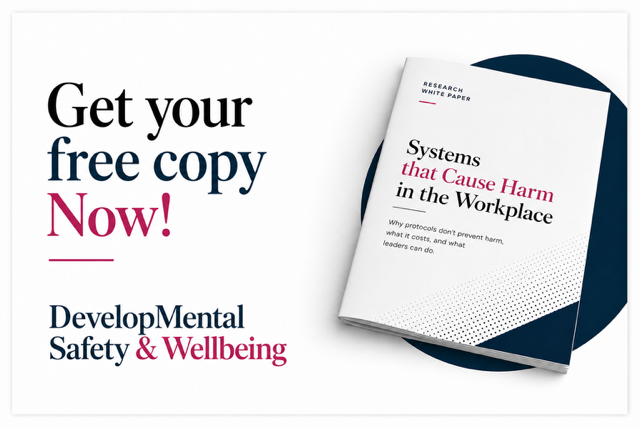
Systems that Cause Harm in the Workplace. How to Redesign them to Create Psychosocial Safety.
The gap between what leaders intend and what their systems deliver is where psychological harm lives. This paper asks how leaders close that gap. Australian boards and senior leaders now carry psychosocial safety duties they could once delegate. Drawing on interviews with practitioners across employment law, governance, WHS leadership and HR, four case studies and analysis of recent legal rulings, the paper treats psychosocial safety as an operational and emerging risk requiring the same governance attention as financial and physical safety risk.
Contact Elena for the full White Paper
Coaching and Resilience
Redesigning a system only works if the people inside it can keep it going. Alongside system redesign, I work with leaders and teams on the capability that keeps the redesign in place: managing pressure, holding difficult conversations and recovering well when work gets hard.
Speaking
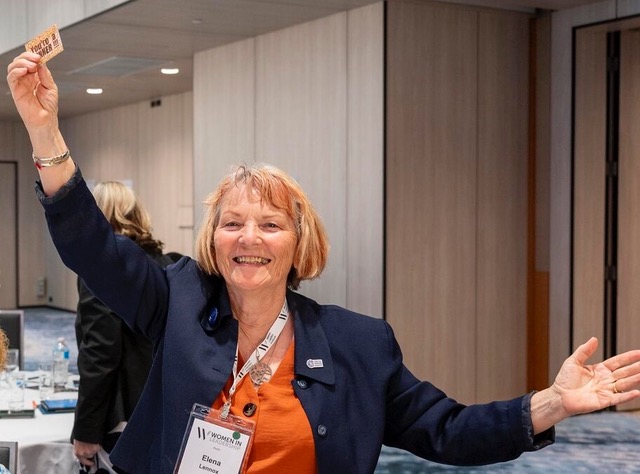
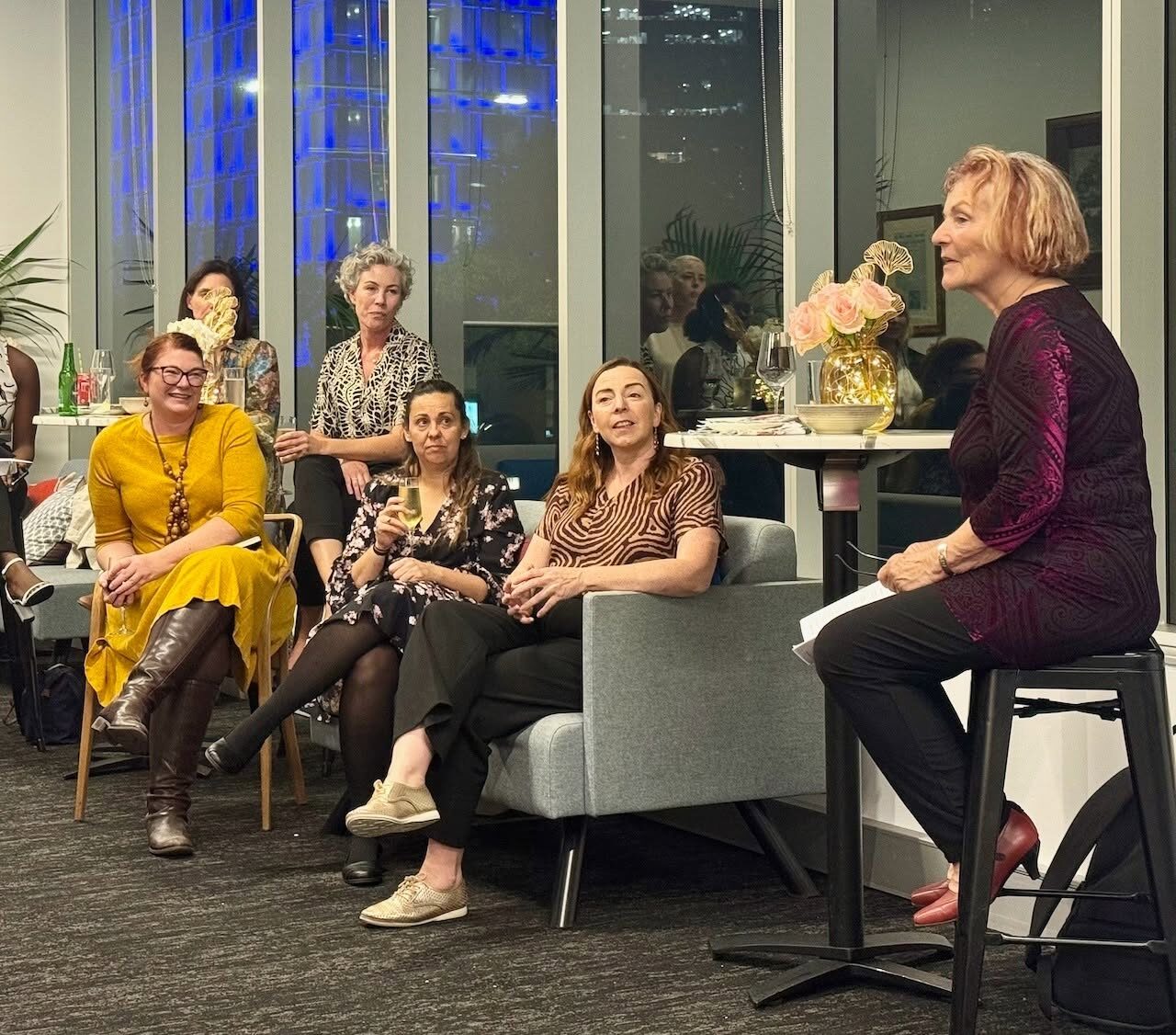
I speak to boards, HR and WHS audiences about psychosocial risk as an operational risk, including at the AHRI WA conference and, in November, the AIHS symposium. Sessions are practical and engaging, so people leave knowing where to look first.