
Health & Safety
Designing safe and sustainable work systems.
Are your workplace systems unintentionally causing harm? We help organisations find and redesign the systems that create psychosocial risk, so that safety, performance and retention improve together.
Comparing providers? See our services, credentials and experience in one place.Download our capability statement
Tell us where to send it and we’ll email you the capability statement straight away.
What we do
From insight to implementation.
A structured approach that delivers stronger systems, better decisions and safer, more sustainable performance.
- 01
Strategy and governance
Where does psychosocial risk sit in your plan and reporting, alongside financial and operational risk?
- 02
Engage employees
Consultation that meets your legal duty and gives you your best source of insight.
- 03
Assess and measure
We map work as it’s actually done and build leading indicators into your reporting.
- 04
Leaders and managers
Many managers feel under pressure and underprepared, so we offer training and coaching that builds their capability to manage the load and lead safely.
- 05
Reshape systems
We reshape grievance responses, HR and WHS alignment, workload and role design to prevent secondary harm.
What does good look like?
Ask about our Maturity Framework for Psychosocial Safety
How risk is created
The gap between work as imagined and work as done.
Risk is shaped by how work is designed, managed and experienced rather than by what the policies say; systems are built for how work should happen, yet risk emerges in how it actually does.
Where harm starts
As imagined
- Policies are followed
- Workloads match the role
- Complaints are resolved fairly
As done
- Workarounds become normal
- Pressure lands on the willing few
- Grievances drag on for months
What is it costing you?
When systems don’t reflect how work really operates, the risk doesn’t disappear but shows up elsewhere.
Bullying and harassment are now behind almost 40% of active psychological injury claims in Australia.
Allianz, 2025
- 01Operational disruption increases
- 02Decision-making slows
- 03Issues escalate
- 04Burnout and turnover rise
- 05Psychological injury claims grow
- 06Reputational and legal exposure widens
Did your last WHS audit include psychosocial safety?
WHS law covers psychological health as well as physical health. Answer a few quick questions to see where your psychosocial risks are likely to sit.
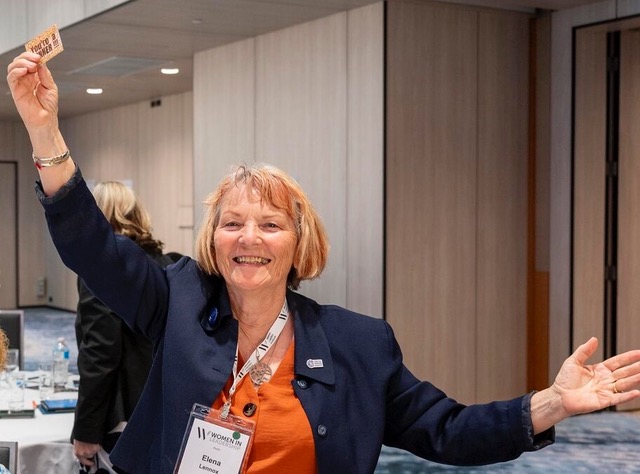
About Elena
Elena Lennox, Principal Consultant
I help organisations build psychologically safe, high-performing workplaces through practical systems, meaningful conversations and evidence-based development. My work brings together WHS, behavioural science and human-centred design, drawing on many years as an educator, a BA, a Postgraduate Certificate in Teaching and a Postgraduate Certificate in HR, and my accreditations as an MHFA instructor, ICF coach, NLP practitioner, Wellbeing Coach and accredited Resilience at Work practitioner.
Author of the white paper
Systems that Cause Harm in the Workplace
Presented at the AHRI conference and the AIHS expert session in 2026. Read about the white paper
Get the help you need
WA Workplace Mental Health Grant
Grant funding for Mentally Healthy Workplaces in WA opens in January 2027. While AI can write a generic application, I’ll help you write a winning one and then deliver it, from a tailored submission through to full implementation, with a partner who knows what assessors fund and what workplaces actually need.
FAQ
Psychosocial risk, answered
What does a psychosocial risk review involve?
We look at how work is designed, managed and experienced, not only what policies say. That includes consultation with workers, mapping the systems that shape their experience and identifying leading indicators you can report on.
How is this different from an engagement survey?
Engagement surveys measure sentiment. A psychosocial risk assessment looks for hazards in the system of work, so you can act on causes rather than symptoms, and show how you meet your WHS duty to consult.
Can you help us apply for the WA Mentally Healthy Workplaces grant?
Yes. Elena helps you write a tailored submission based on what assessors fund and what your workplace actually needs, then helps you deliver it.
Who should be involved from our side?
Usually a senior sponsor, someone from WHS and someone from HR. Psychosocial risk sits across all three, and the gaps between them are often where harm starts.
This is an operational risk you can address.
If you’re responsible for people, performance or safety, now is the time to act.